February 12, 2026

Christine Roper, MSPT, PYT and co-creator Eva Boatsman
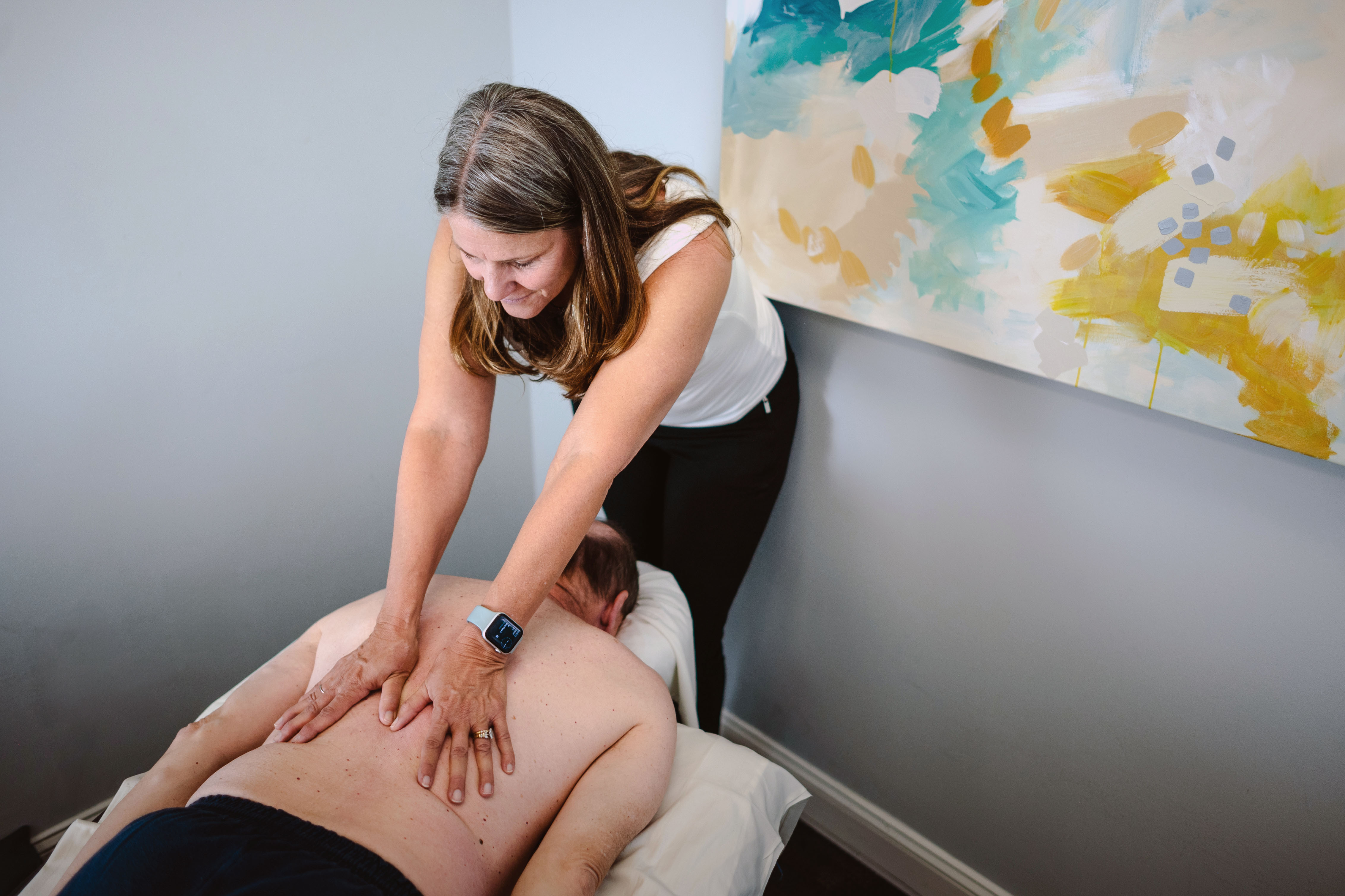
As the new year begins, many of us often think about “resetting.” We clean out closets, set fresh goals, thinking, “new year, new me.” We strive to reset our routines, health, and mindset. But while we often focus on changing our habits or doing more, one of the most powerful resets we can offer ourselves starts deeper within the nervous system.
When the nervous system is overwhelmed, the body remains in a state of protection. Muscles stay tight, breathing becomes shallow, and even well-intentioned movement or exercise can feel harder than it should. Without addressing this underlying stress response, true healing and long-term change can be difficult to achieve. This is where myofascial release can offer a uniquely effective approach.
What does it mean to “Reset” the Nervous System?
Our nervous system has two major states:
1. Sympathetic ("fight or flight), where muscles stay tense and stress hormones lie cortisol keep the body alert.
2. Parasympathetic ("rest and digest"), where breath softens, muscles relax, digestion improves, and the body can rebuild during sleep.
When someone lives much of their lives in sympathetic dominance due to chronic pain, stress, or unresolved tension, their body gets stuck in protection mode. This can fuel persistent tightness and disrupt healing responses. Myofascial release can help down-regulate "fight or flight"and promote "rest and digest" responses.
The Fascial System
Fascia isn’t just connective tissue, it's a network that wraps around every muscle, blood vessel, nerve, and organ in your body. It contributes to nervous system regulation by sending signals to the brain about tension, position, and movement. When fascia is restricted due to injury, stress, surgery, etc., it sends tension signals into the nervous system, keeping the body in protection mode. Slow, sustained touch, the foundation of John Barnes, PT, Myofascial Release, stimulates these receptors and supports a shift toward "rest and digest" activation.
How Myofascial Release Promotes a Nervous System Reset
Myofascial release relies on gentle, sustained pressure and awareness, allowing the body time to respond rather than resist. This often results in:
So as you clean out your closets and set goals for the year ahead, remember that your body deserves a reset, too. Myofascial release offers a way to let go of lingering tension, calm the nervous system and create space for healing.
At Roper Physical Therapy, we provide custom, expert-led care that treats the whole person—not just the pain. We recognize that pain is often more than just a physical symptom, it’s your body’s way of signaling deeper needs. Our integrative approach blends traditional physical therapy with complementary practices like myofascial release, craniosacral therapy, and medical therapeutic yoga. Connect with us today or explore our current classes.
Source: Roper Physical Therapy
If you are still having pain let your MD know and consult a physical therapist.
At Roper Physical Therapy, we’re here to help you find the right path to health and a more confident, capable body. Whether you’re just starting out or looking to safely level up your training, a physical therapist can guide you through personalized strategies for effective, safe, and sustainable movement.
Book a session with one of our physical therapists today and let’s get started on building strength that lasts. Free Screen is available send your information through our Contact page.
Free consultations & classes are available to try.
Call us at (704) 569-5489 to learn more.